Dawn chores, muddy boots, and the quiet math of turning feed into food can make farm life sound romantic, but the reality is more practical: it is skilled work with real risks, real rewards, and real constraints.
This article explains what
working on a farm
typically involves, how days and seasons are structured, what skills and safety habits matter most, and how to decide whether it fits your goals.
What the job actually includes
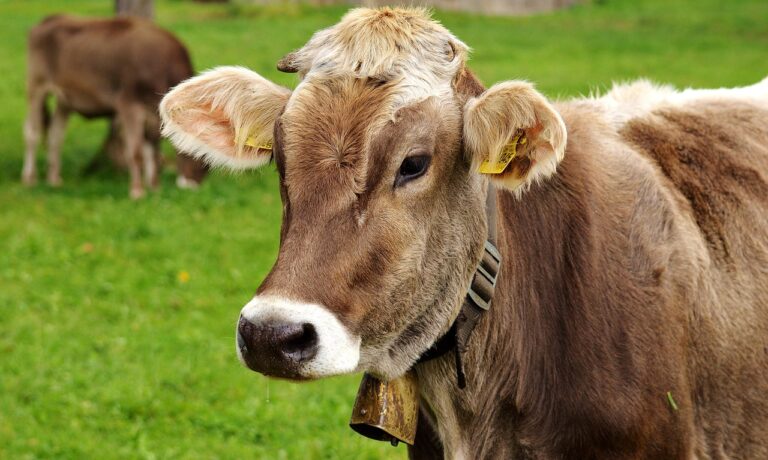
Farm work varies by enterprise, but most roles combine animal care or crop tasks with routine maintenance. On a livestock farm, daily responsibilities commonly include feeding, watering, checking health, cleaning pens, and handling bedding. On a crop farm, the day may revolve around irrigation checks, planting, cultivation, harvesting, and moving produce to storage or packing.
Many farms blend both, and that is where time pressure becomes obvious: chores happen regardless of weather, weekends, or holidays. A typical day often starts early, because animals need consistent feeding times and fieldwork is easier before midday heat. Even on small operations, the work is continuous: gates break, water lines leak, and equipment needs greasing, sharpening, or repairs.
Beyond physical labor, there is a decision layer. Someone must track feed inventory, record treatments, note planting dates, monitor pests, and adjust plans to forecasts and market needs. This planning is part of farm work even if it looks like “just paperwork,” because small delays can cause measurable losses: missed irrigation windows can reduce yields, and late health checks can turn minor illness into an outbreak.
Seasonality, hours, and pay realities
Farm schedules are shaped by biology and weather. During planting and harvest, many workers put in long days, sometimes 10–14 hours, because the crop window is short and machinery is expensive to idle. In slower seasons, the pace may drop, but maintenance, feeding, and preparation continue.
Seasonality also affects employment terms. Some jobs are temporary, lasting a few weeks or months, while others are year-round roles with housing or other benefits. Pay ranges widely by country, region, and whether the work is specialized. Tractor and combine operators, irrigation technicians, herd managers, and workers with mechanical skills tend to earn more than entry-level general laborers because they reduce downtime and prevent costly errors.
A key contrast is predictability: office work may offer stable hours but fewer tangible milestones, while farm work can deliver clear daily outcomes—animals fed, a field planted, a barn repaired—alongside unpredictable disruptions. Rain can stop harvest; a heat wave can increase animal stress; a broken pump can turn into an emergency. People who thrive in this environment tend to be flexible, calm under pressure, and comfortable prioritizing tasks minute by minute.
Skills, safety, and long-term fit
Physical strength helps, but technique and awareness matter more. Lifting safely, moving animals with low stress, and using the right tool for the job can prevent injuries and improve productivity. Many tasks are repetitive, so small habits—good gloves, hearing protection around machinery, hydration, and stretching—can make the difference between sustainable work and chronic pain.
Safety deserves blunt attention. Farms combine heavy equipment, animals, chemicals, and uneven terrain. Common hazards include rollovers, entanglement in moving parts, kicks and crush injuries from livestock, respiratory irritation from dust, and exposure to pesticides or disinfectants. Basic protocols—lockout procedures, guarding on equipment, clear communication when backing up vehicles, and proper storage and labeling—reduce risk dramatically.
For long-term fit, consider what you want to learn and what lifestyle you can sustain. If you enjoy troubleshooting, a farm can be a strong training ground: you may learn mechanics, basic plumbing, fencing, soil care, and animal health observation. If you need strict boundaries between work and personal time, a farm job—especially with livestock—can be challenging. Many people begin with seasonal work to test the rhythm before committing to a full year.
Conclusion
Working on a farm
is a mix of hands-on labor and constant problem-solving, shaped by seasons and living systems; it can be deeply satisfying for people who value tangible outcomes, skill-building, and adaptability, but it demands respect for safety, variability, and long hours at peak times.