Starting a farm sounds romantic until you price fencing, realize water rights matter, and discover that “soil” is not one thing but a living system that can either feed you or fight you. The good news is that the path is predictable: most successful farms start small, choose a clear market, and build operations that match the land and the farmer.
If you’re asking how to start a farm, the practical answer is to treat it like a business from day one: define what you will sell, secure appropriate land access, plan water and infrastructure, run the numbers, and launch a manageable first season you can learn from without risking everything.
1) Decide what kind of farm you can actually run
Before buying animals or seeds, decide what you will produce and who will pay for it. A vegetable CSA, a pasture-raised egg route, a small orchard, or a cut-flower subscription can all work, but they require different labor patterns, equipment, and timelines. Annual vegetables may generate revenue in 60–120 days, while tree crops often take 3–7 years to reach meaningful yields; livestock can be faster than orchards but is less forgiving if you misjudge feed costs or winter housing.
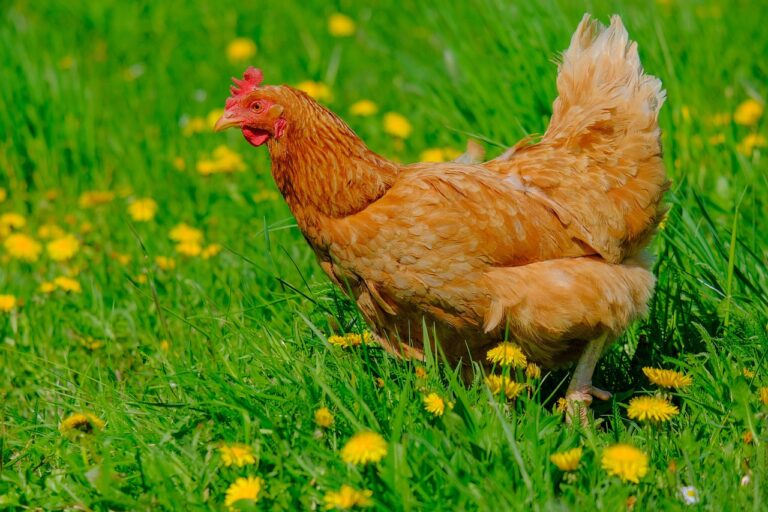
Start by matching enterprises to constraints: available time, climate, access to irrigation, and your tolerance for daily chores. For example, laying hens require daily checks and consistent predator control; market vegetables demand intense seasonal labor and reliable harvest days; grazing beef can be lower-touch day-to-day but ties up capital longer and depends heavily on pasture management. A smart first-year plan usually includes one primary revenue stream and one small “learning” enterprise rather than five new ventures at once.
Run a simple market test before committing. Talk to 10–20 potential buyers: local restaurants, a farmers market manager, grocers, and neighbors. Ask what they already buy, in what quantities, and at what price points. If the only demand is “a little of everything,” you may be hearing politeness rather than a purchase plan. Clear demand looks like: “I can take 40 dozen eggs every week,” or “I’ll buy 100 pounds of salad mix twice a week in season if quality is consistent.”
2) Secure land access, water, and infrastructure—then budget realistically
Land ownership is not required to begin, and leasing can lower risk while you learn. A one- to three-year lease may be enough to validate a vegetable or egg business, while perennial crops need longer tenure. Whether you buy or lease, evaluate soil, water, access, and restrictions. Look for well-drained soils, a reliable water source, and practical road access for deliveries. Confirm zoning, setbacks, and any limits on on-farm sales, farm stands, or livestock density.
Water is often the make-or-break input. For many small diversified farms, irrigation is essential; even regions with decent rainfall can have dry spells that ruin a first-year crop. Identify your water source (well, municipal, surface water), estimate peak demand, and plan storage and distribution. As a rough planning aid, an intensively cropped acre of vegetables can require thousands of gallons per week during hot periods. If you cannot irrigate reliably, choose drought-tolerant enterprises, reduce scale, or focus on livestock and pasture that can handle variability.
Budget with blunt honesty and include “unsexy” costs. Common first-year expenses include fencing, gates, water lines, tools, coolers or refrigeration, wash/pack supplies, seed, feed, and insurance. Also budget for repairs, fuel, and a contingency of at least 10–15% because new farms almost always encounter surprises: a broken pump, a predator breach, a vehicle repair right before market day. One helpful contrast is that you can start a small produce operation with hand tools and a used wash setup, but you still need a plan for cold storage and food safety, because quality and shelf life are what customers notice first.
3) Launch a first season you can manage, measure, and improve
The fastest way to fail is to scale labor faster than you can execute. Design a first season that fits your weekly capacity. If you work another job, a modest plan might be a few high-value crops (for example, salad greens, herbs, and radishes) or a limited egg flock sized to your distribution route. The goal is consistency: harvesting, washing, packing, and delivering on time matters more than variety. Many successful farms expand after they master a repeatable weekly rhythm.
Measure everything that affects profit: yield, hours, inputs, and loss. Track how long tasks take—seeding, weeding, harvest, packing—and calculate the real labor cost of each product. For example, a crop with strong sales but high labor may be less profitable than a simpler product with lower gross revenue. Similarly, record losses: cracked eggs, spoiled greens, mortality, and pest damage. These numbers guide better decisions than memory, and they help you price properly instead of guessing.
Build simple systems, not perfect ones. Standardize your harvest containers, label inventory, and create checklists for market day or deliveries. Use a basic crop plan, a simple rotation if you grow vegetables, and a grazing plan if you keep livestock. Also plan for compliance early: food handling practices, proper manure management, and humane animal care. When you treat the farm like a system, small improvements compound, and year two becomes dramatically easier than year one.
FAQ
Q: How much money do I need to start a farm?
It depends on land access and enterprise choice. Leasing and starting with one focused product can keep startup costs relatively modest, while buying land, drilling a well, or building barns can push costs high quickly. A practical approach is to list only what you must have for day-one operations (water, basic tools, storage, fencing if needed), then add “nice-to-have” upgrades after you prove demand and cash flow.
Q: Do I need farm experience before starting?
Experience helps, but it is not mandatory if you learn deliberately. Work on a farm for a season, take local extension workshops, and start at a scale where mistakes are affordable. The key is to choose an enterprise with a manageable learning curve and to track results so you can correct quickly.
Q: What is the biggest mistake new farmers make?
Trying to grow or raise too many things at once, then discovering they cannot keep up with labor, marketing, and quality control. A narrow first-year focus—one main crop line, one sales channel, and a realistic weekly schedule—usually produces better financial and agronomic outcomes than a “do everything” plan.
Conclusion
How to start a farm comes down to disciplined choices: pick a viable product and market, secure land and water that fit the plan, budget for infrastructure and surprises, and run a first season designed for learning and consistency. Start small, measure results, and expand only when your systems and customers are ready.